Traefik v2.0 & Maesh: Look Ma’, routing HTTP and TCP with no Hands!

How to use these slides?
Browse the slides: Use the arrows
Change chapter: Left/Right arrows
Next or previous slide: Top and bottom arrows
Overview of the slides: keyboard’s shortcut "o"
Speaker mode (and notes): keyboard’s shortcut "s"
Whoami
Damien DUPORTAL:
Træfik's Developer 🥑 Advocate @ Containous

Containous
We Believe in Open Source
We Deliver Traefik and Traefik Enterprise Edition
Commercial Support
30 people distributed, 90% tech

Why Traefik?

Why, Mr Anderson?
Evolution of Software Design

The Premise of Microservices…

…and What Happens

Where’s My Service?

Tools of the Trade














What If I Told You?

That You Don’t Have to Write This Configuration File…?
Here Comes Traefik!

Traefik Project
MIT License
Written in Go
24,000+ ⭐ 1B+ ⬇️ 400+ 👷
Created in 2015, 4Y 🎂
Current stable branch:
v2.0
Traefik 2.0 Quick Overview
Revamped Documentation
Clarified Concepts
Expressive Routing Rule Syntax
Middlewares
TCP Support
Canary / Mirroring
And so Much More…
Traefik (v2.0) Core Concepts

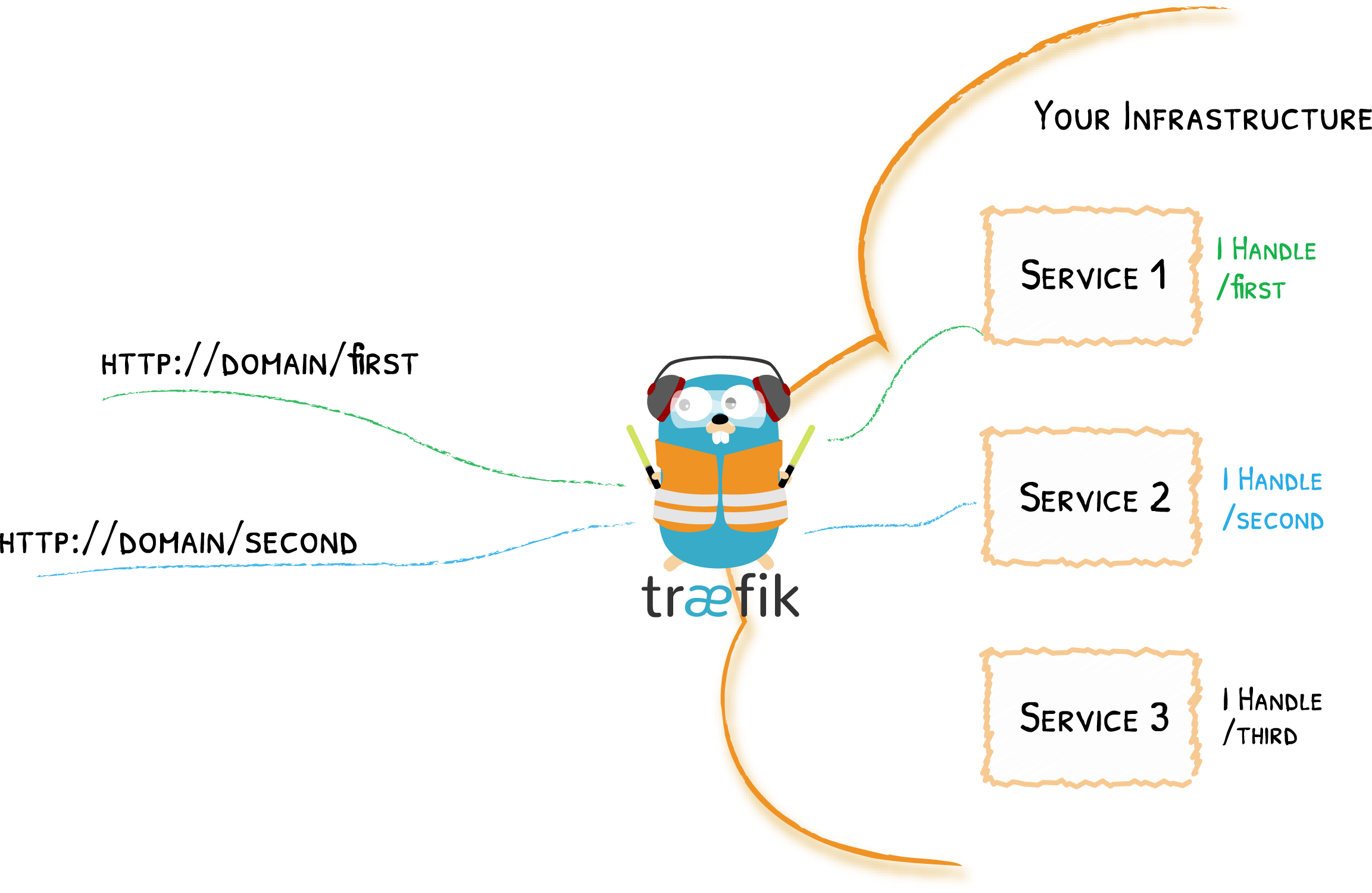
Traefik is an Edge Router
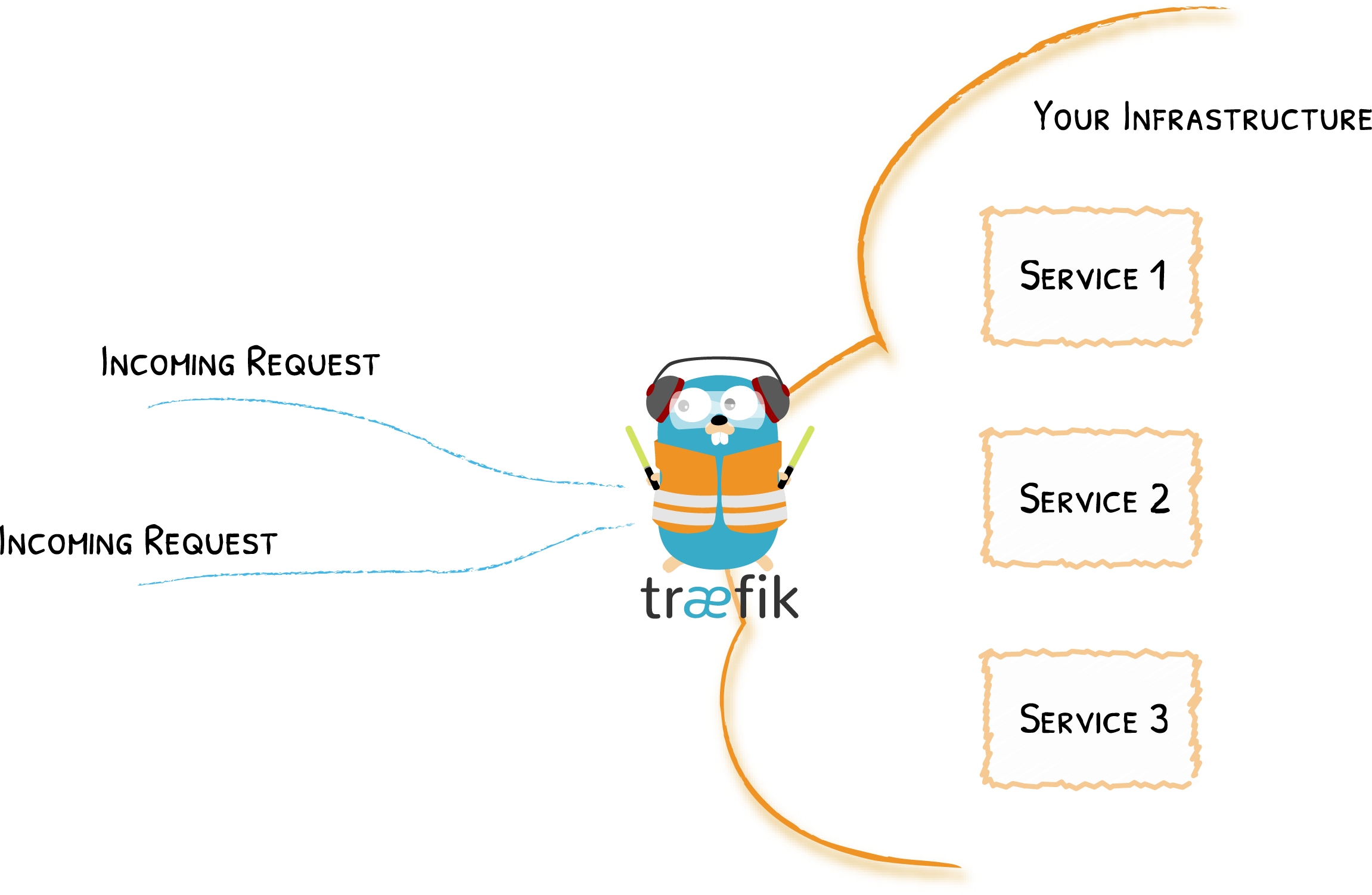
Dynamically Discovers Services
Architecture (v2.0) at a Glance
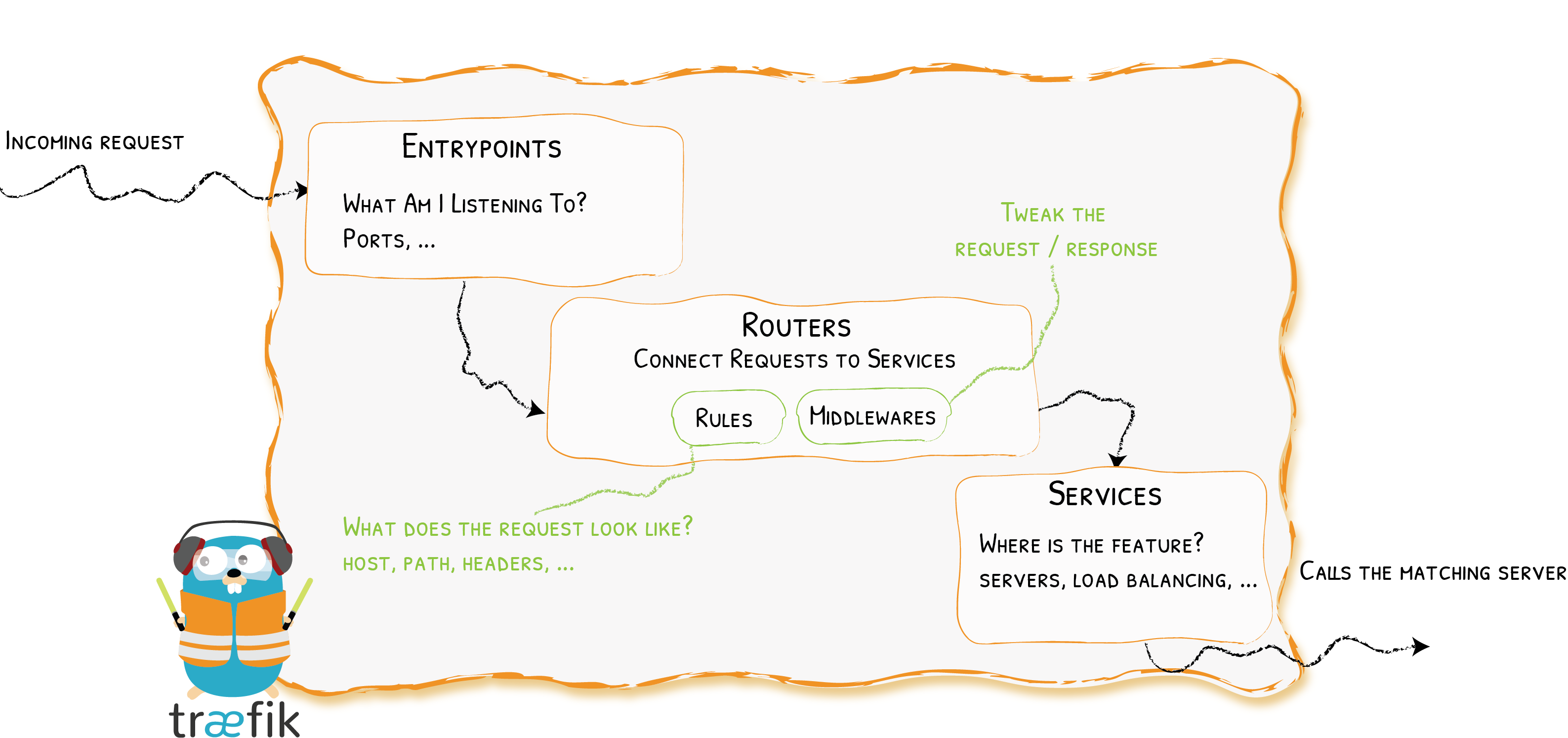
Entrypoints
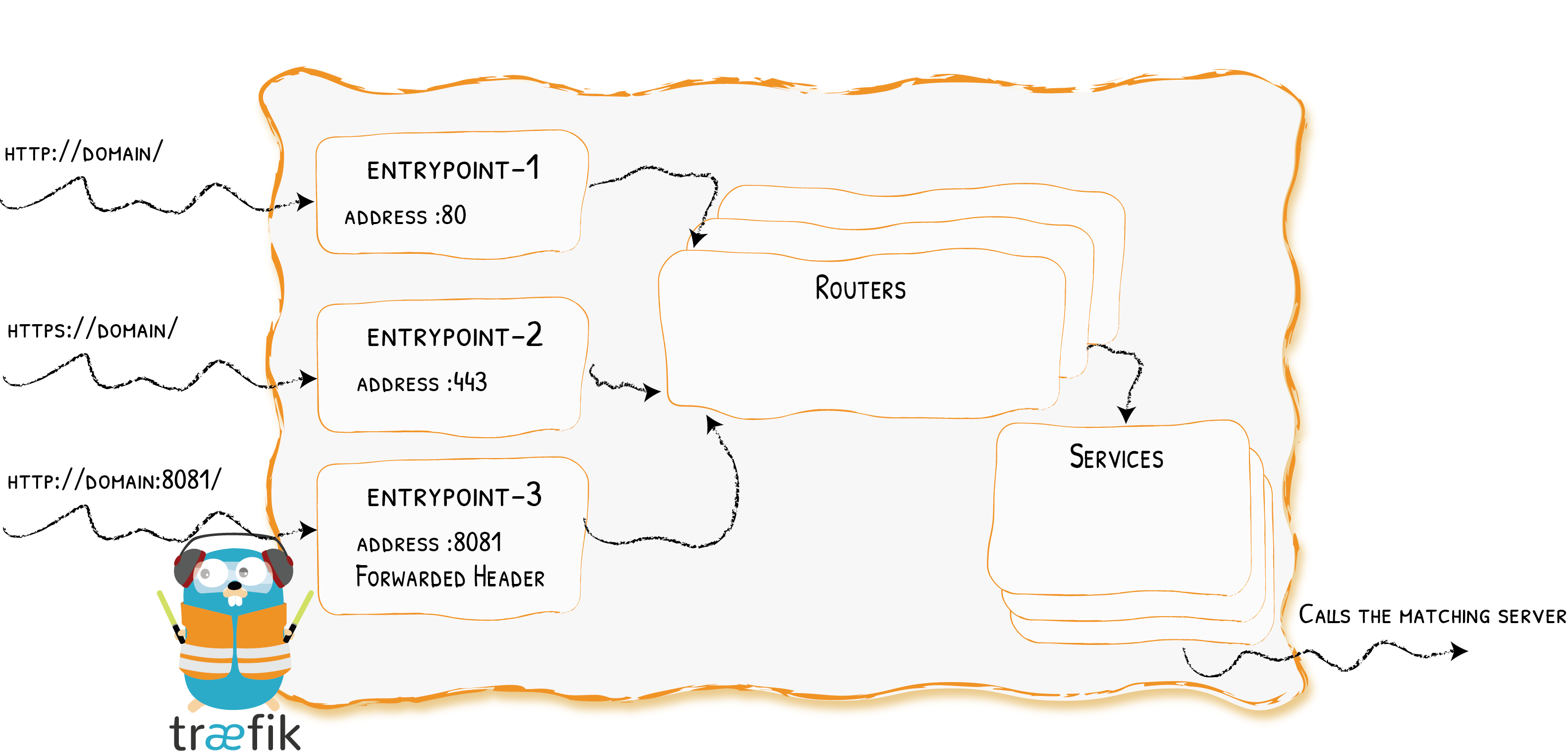
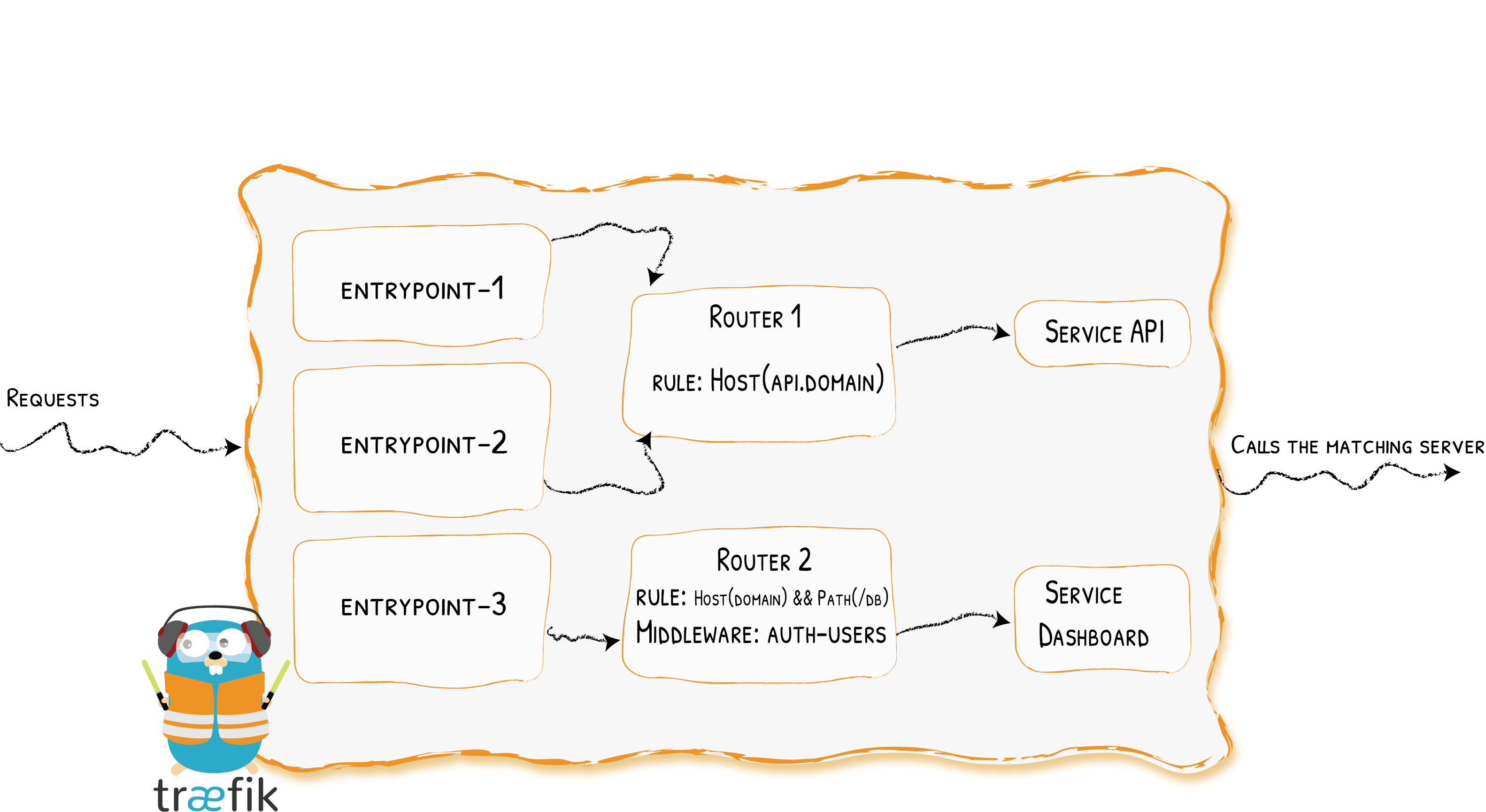
Routers
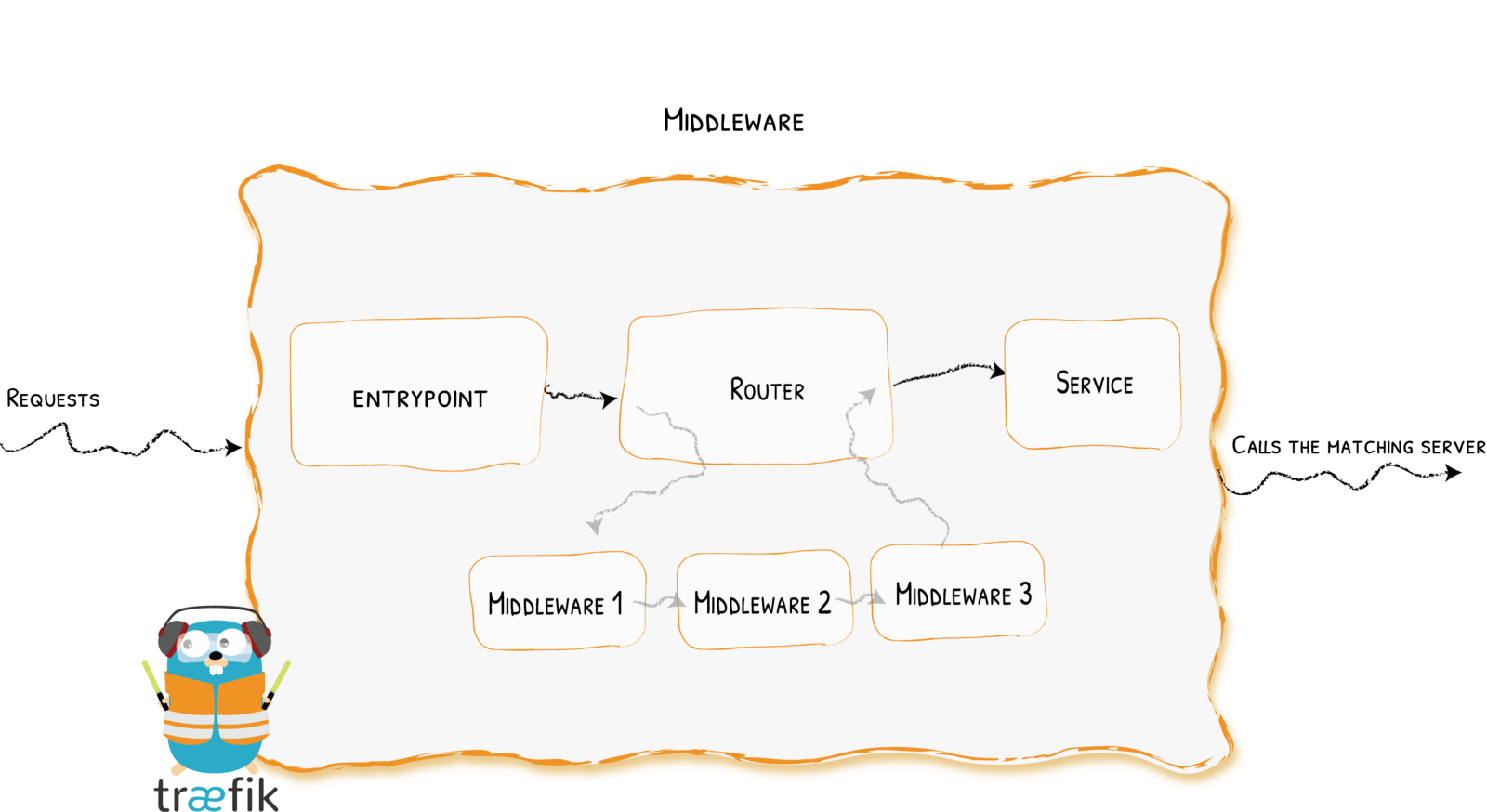
Middlewares
Services
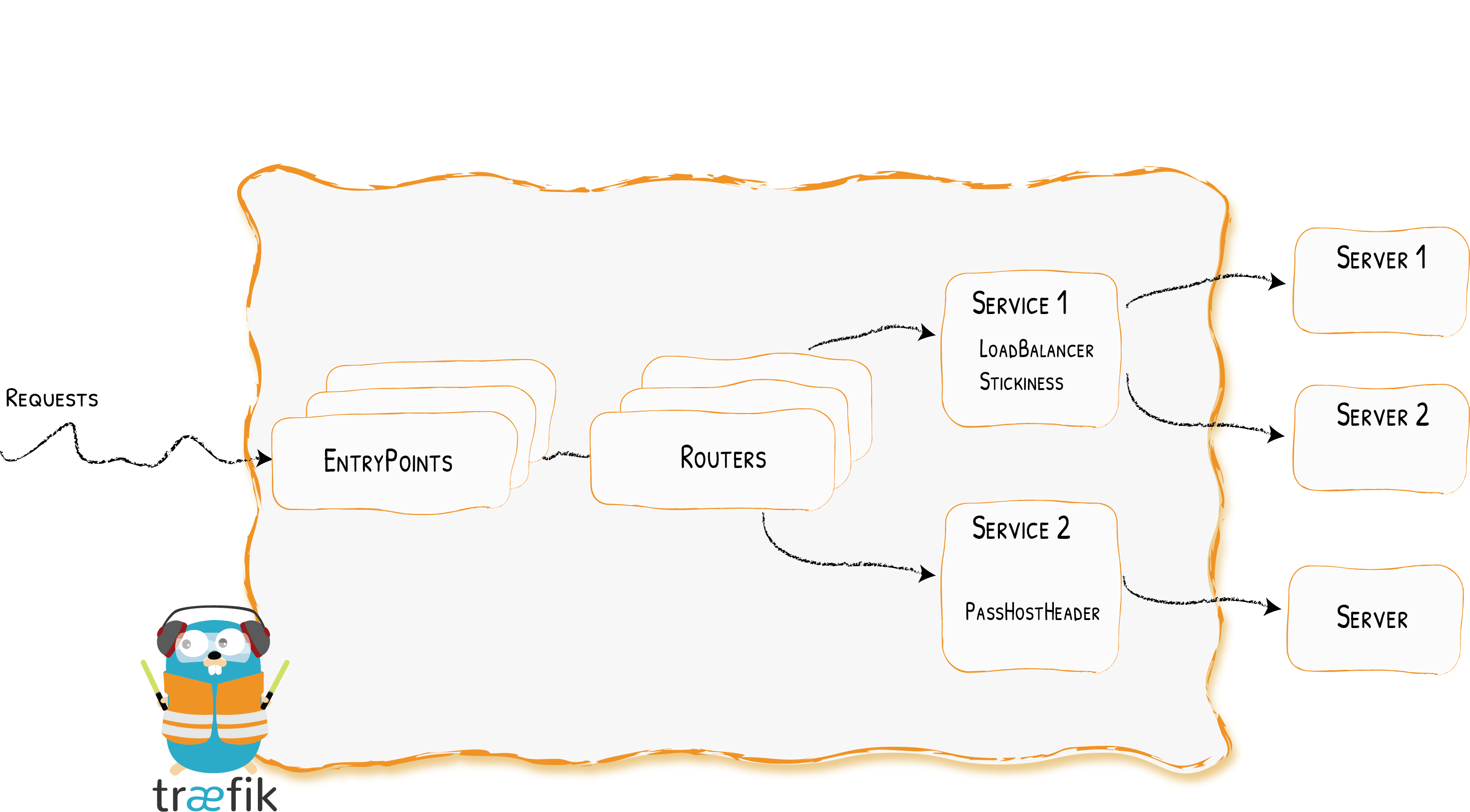
Architecture (again) at a Glance
Static & Dynamic Configuration
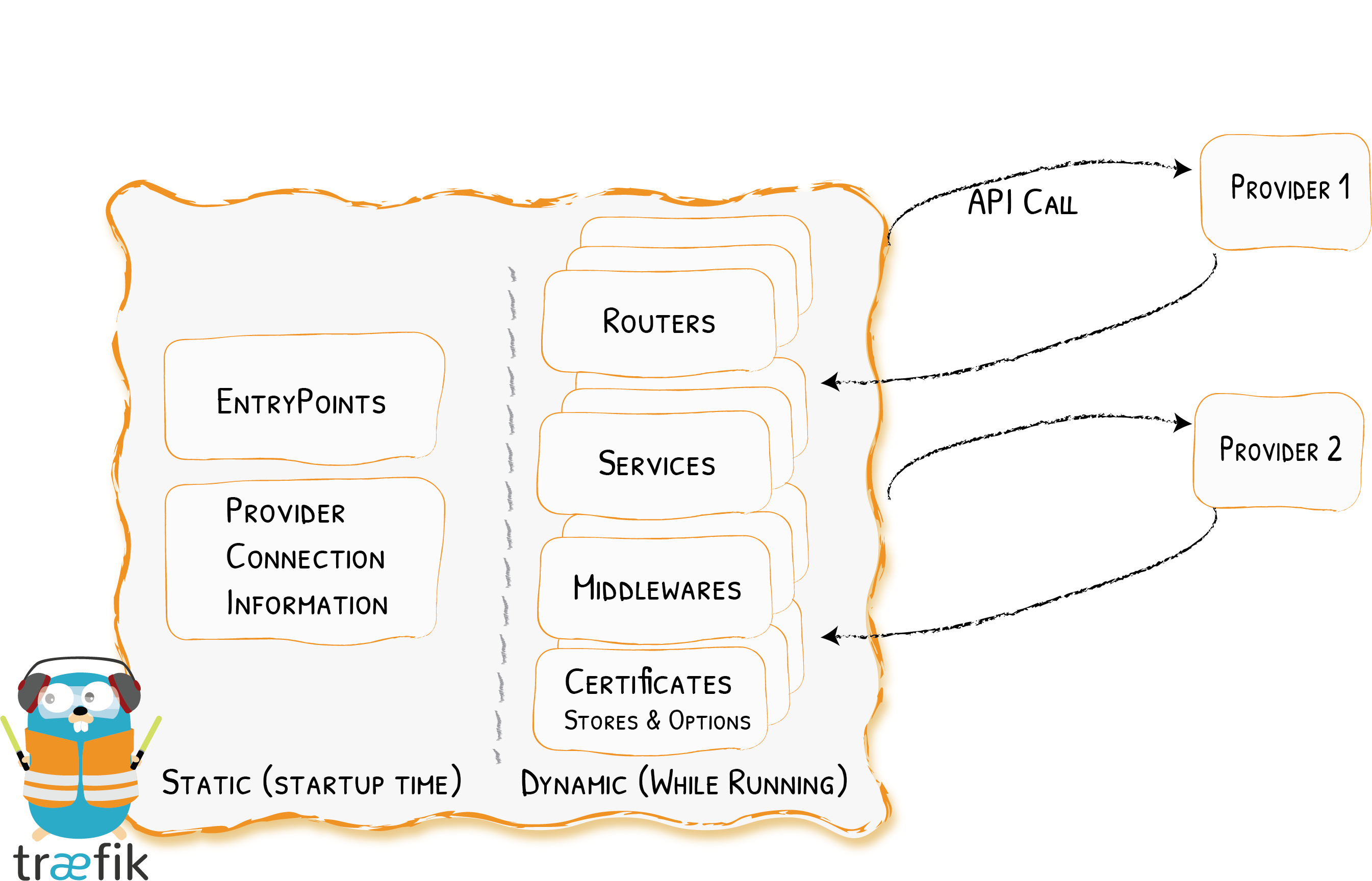
Show Me the Configuration!
Traefik with 🐳
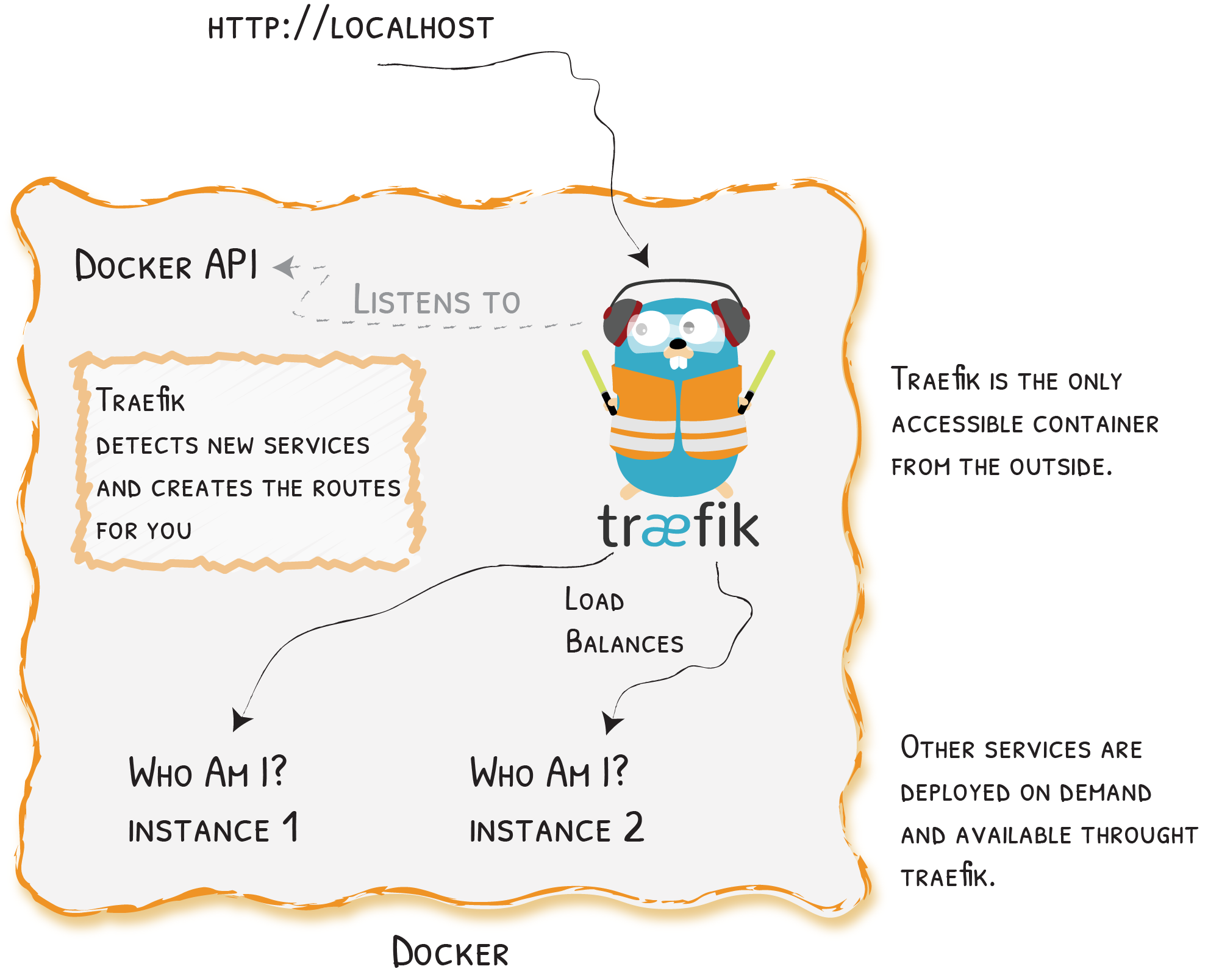
Example With 🐳
version: '3'

services:
  reverse-proxy:
    image: traefik:v2.0
    command: --providers.docker.endpoint="tcp://proxy-docker.svc.local:2376"
    ports:
      - "80:80"

  corporate-webapp:
    image: company/corporate-webapp:1.2.3
    labels:
      - "traefik.http.routers.webapp.rule=Host(`company.com`)"

  admin-webapp:
    image: company/admin-webapp:15.2.2
    labels:
      - "traefik.http.routers.admin-webapp.rule=Host(`company.com`) && PathPrefix(`/admin`)"
      - "traefik.http.routers.admin-webapp.service=admin-svc"
      - "traefik.http.services.admin-svc.LoadBalancer.server.Port=9999"
Traefik With ⎈
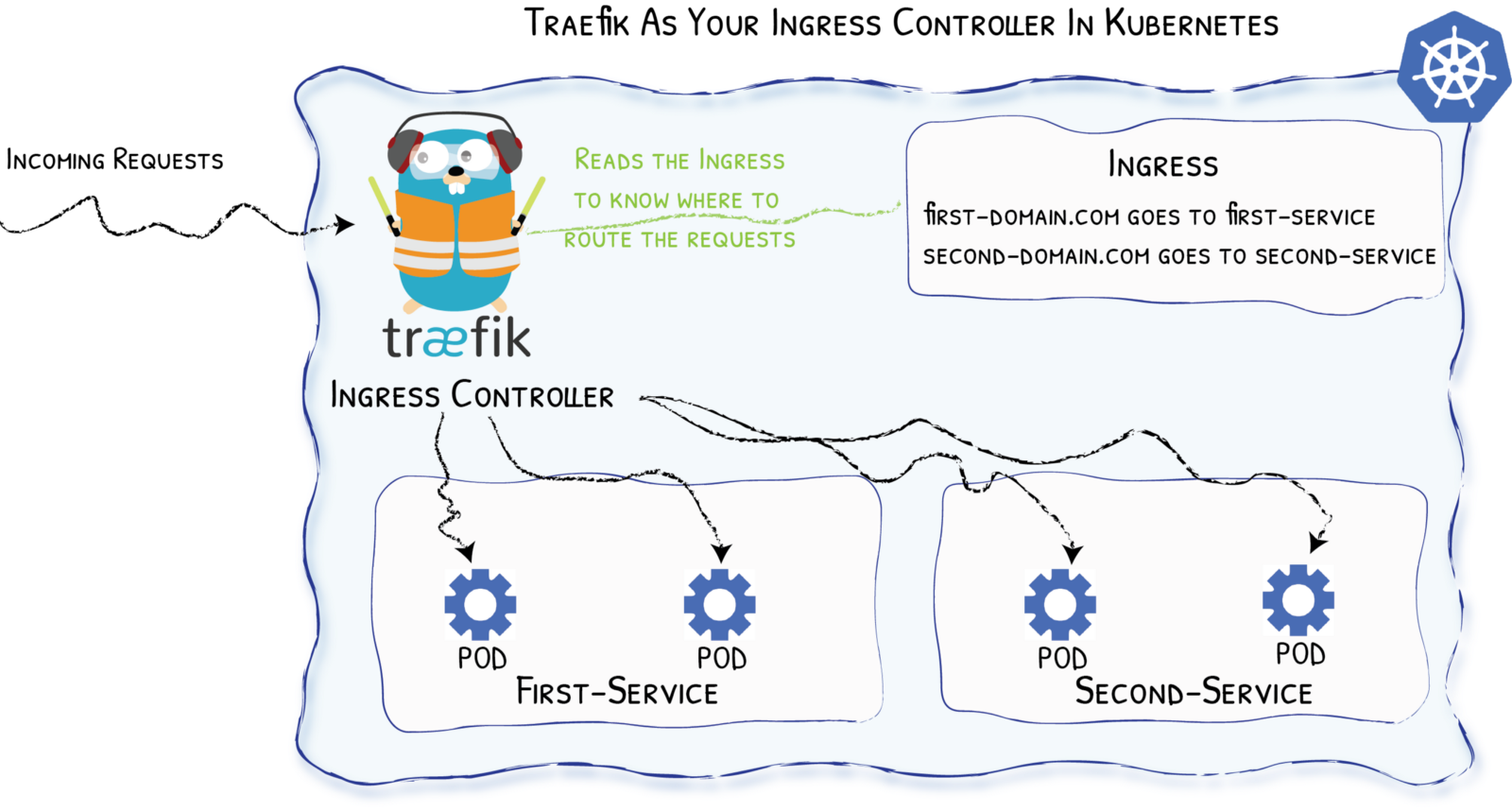
Ingress Example with ⎈
apiVersion: networking.k8s.io/v1beta1
kind: Ingress
metadata:
  name: corporate-webapp
  annotations:
    kubernetes.io/ingress.class: 'traefik'
spec:
  rules:
  - host: localhost
    http:
      paths:
      - backend:
          serviceName: corporate-webapp
servicePort: 80But…
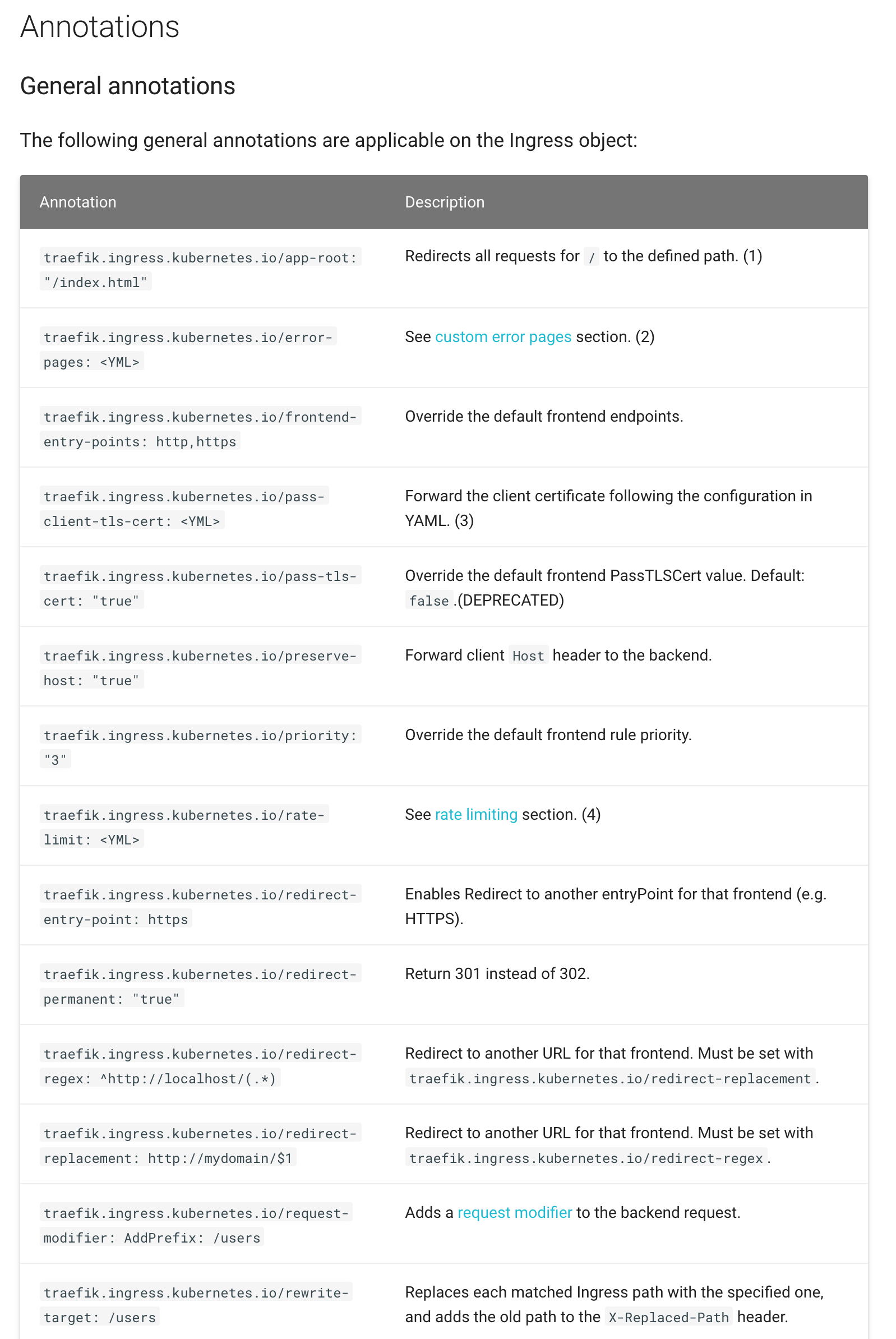
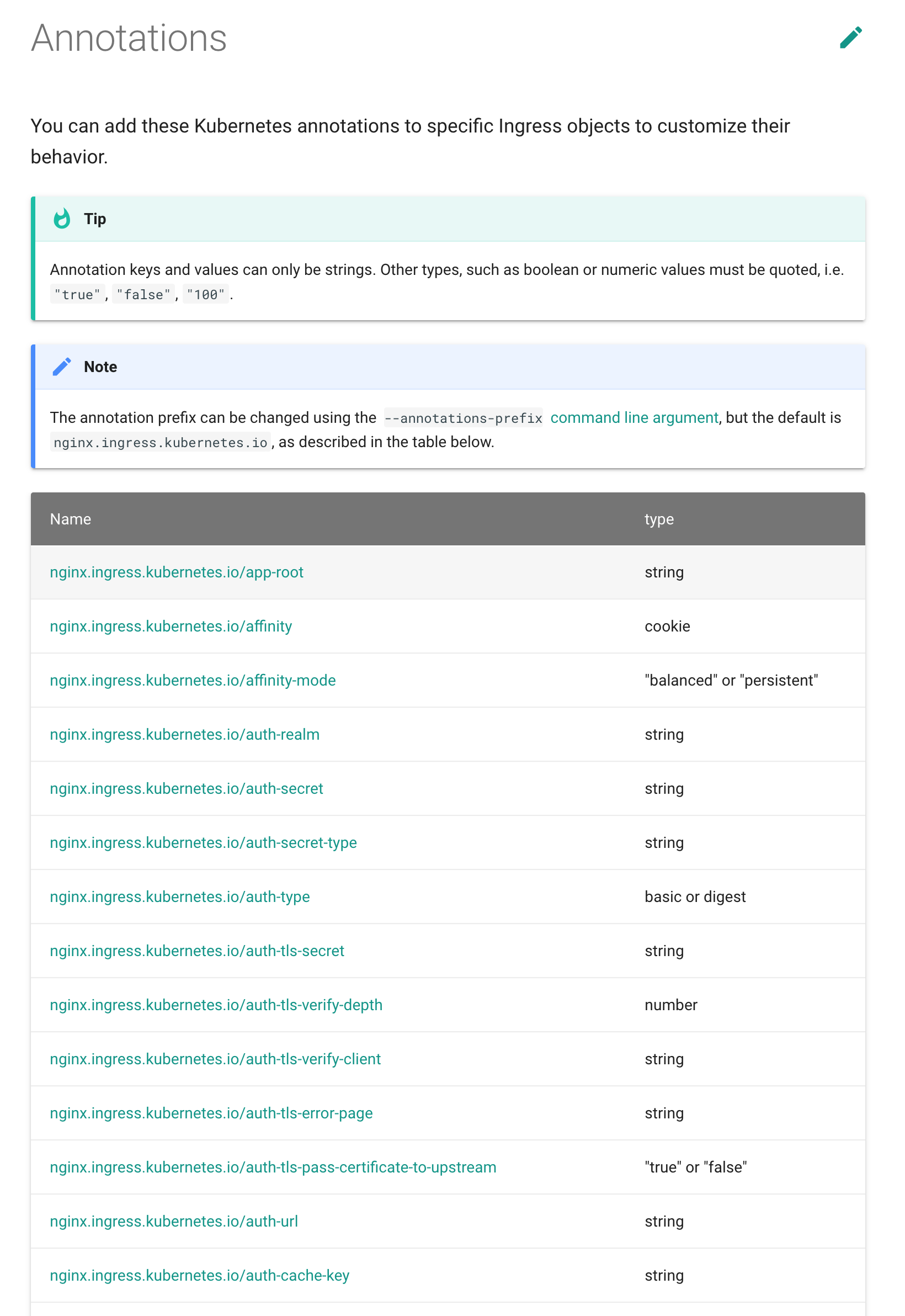
⎈ CRD - Custom Resources Definition
# File "webapp.yaml"
apiVersion: traefik.containo.us/v1alpha1
kind: IngressRoute
metadata:
  name: simpleingressroute
spec:
  entryPoints:
    - web
  routes:
  - match: Host(`localhost`) && PathPrefix(`/whoami`)
    kind: Rule
    services:
    - name: webapp
      port: 80
$ kubectl apply -f webapp.yaml
$ kubectl get ingressroute⎈ & TCP (with CRD)
apiVersion: traefik.containo.us/v1alpha1
kind: IngressRouteTCP
metadata:
  name: ingressroutetcpmongo.crd
spec:
  entryPoints:
    - mongotcp
  routes:
  - match: HostSNI(`mongo-prod`)
    services:
    - name: mongo-prod
      port: 27017
Demo

Install Traefik in Kubernetes
🛠 Custom Resource Definitions
👮 Configure RBAC
To allow watching the Kubernetes API
📦 Install Traefik as a Deployment
🚪 Expose and 📣 publish Traefik with the right Service type
LoadBalancer,NodePort?
✅ Configure Traefik and its features
Example: HTTP application
📦 Install the web application as a Deployment
🚪 Expose the web application with a Service of type
ClusterIPInternal access only
📣 Publish the web application with an
IngressRoute
Example: TCP application
Example with MongoDB:
📦 Install MongoDB as a Deployment
🚪 Expose MongoDB with a Service of type
ClusterIPInternal access only
📣 Publish MongoDB with an
IngressRouteTCP
More to come
New Helm Chart for v2.0
Advanced Load-Balancing with CRDs: Canary, Mirroring, StickySession, etc.
Available today with
FileandDockerproviders
Example and Guides
UDP?
More info

We Also Missed Talking About …
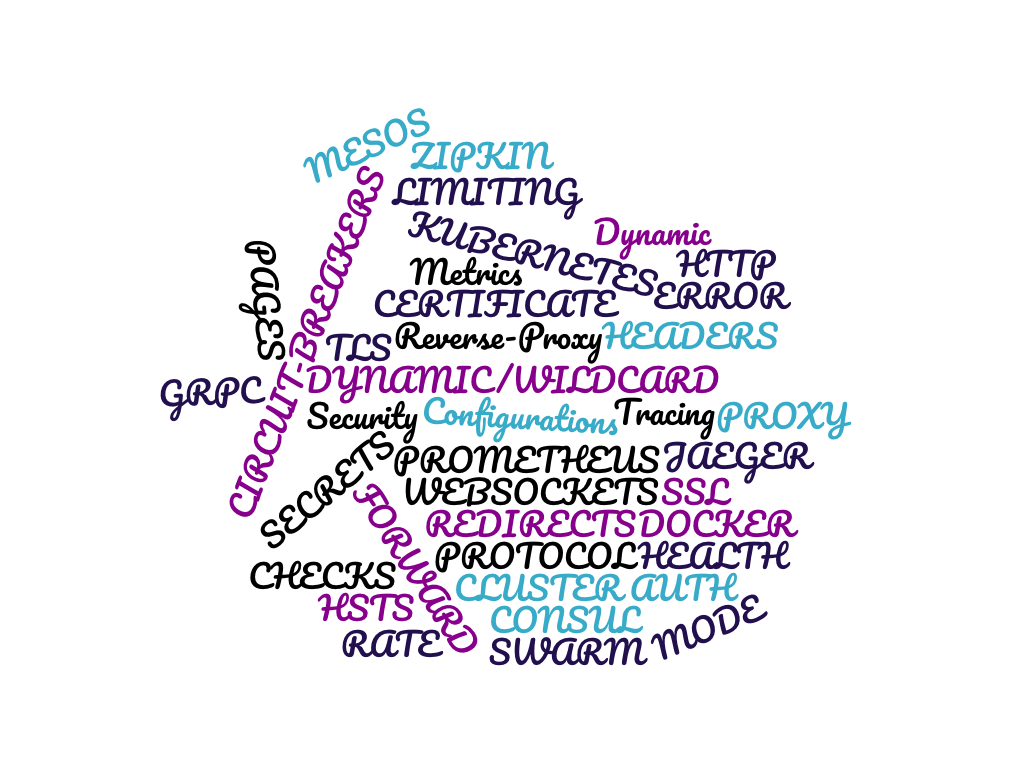
Traefik also comes in Herd

As Simple As Traefik
Install it:
# Cluster Installation
traefikeectl install \
    --licensekey="SuperSecretLicence" \
    --dashboard \
    --kubernetes # Or --swarm
Configure it:
# Routing Configuration, same as Traefik's
traefikeectl deploy \
    --acme.email=ssl-admin@mycompany.org
    --acme.tlsChallenge
    ...
Free Trial
East / West Traefik

Say Hello to Maesh

What is Maesh?
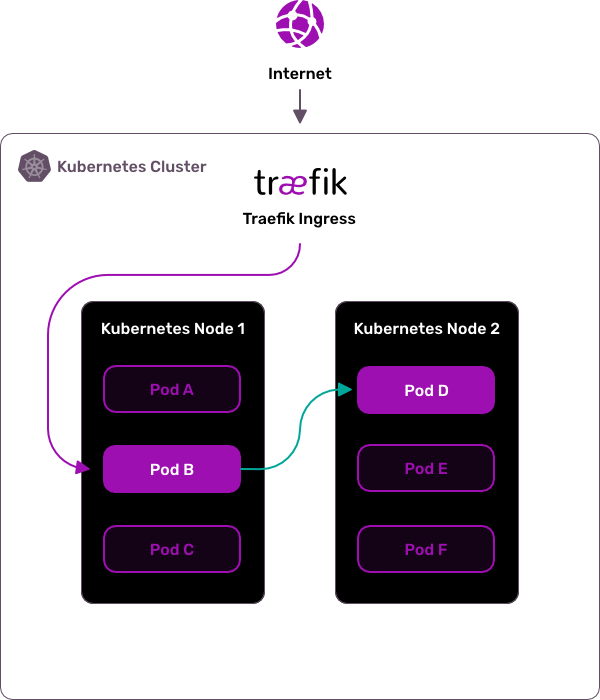
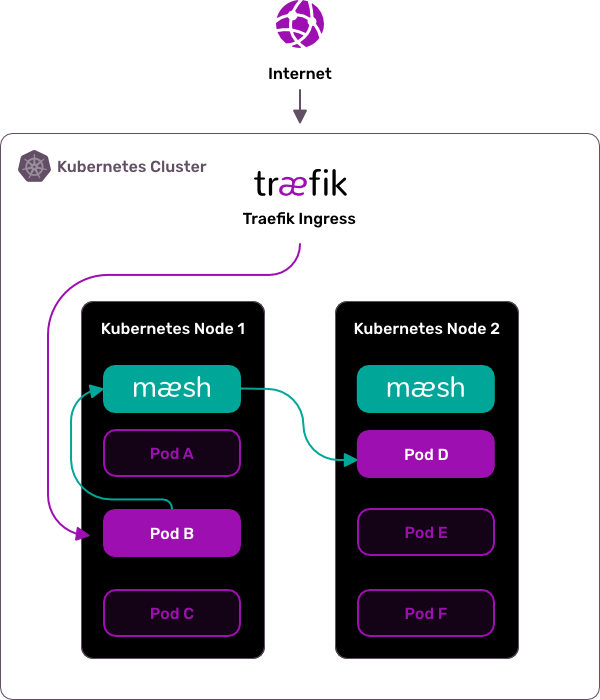
Maesh is a lightweight, easy to configure, and non-invasive service mesh that allows visibility and management of the traffic flows inside any Kubernetes cluster.
Maesh Architecture
More on Maesh
Built on top of Traefik,
SMI (Service Mesh Interface specification) compliant,
Opt-in by default.
Show Me The Code!
Install Maesh (Helm Chart):
helm repo add maesh https://containous.github.io/maesh/charts
helm repo update
helm install --name=maesh --namespace=maesh maesh/maesh --values=./maesh/values.yaml
Deploy Applications:
kubectl apply -f apps/0-namespace.yaml
kubectl apply -f apps/1-svc-accounts.yaml
kubectl apply -f apps/2-apps-client.yaml
kubectl apply -f apps/3-apps-servers.yaml
kubectl apply -f apps/4-ingressroutes.yaml
Deploy SMI Objects to allow traffic in the mesh:
kubectl apply -f apps/5-smi-http-route-groups.yaml
kubectl apply -f apps/6-smi-traffic-targets.yaml
A Closer Look to SMI Objects
apiVersion: specs.smi-spec.io/v1alpha1
kind: HTTPRouteGroup
metadata:
  name: app-routes
  namespace: apps
matches:
- name: all
  pathRegex: "/"
  methods: ["*"]
---
apiVersion: access.smi-spec.io/v1alpha1
kind: TrafficTarget
metadata:
  name: client-apps
  namespace: apps
destination:
  kind: ServiceAccount
  name: apps-server
  namespace: apps
specs:
- kind: HTTPRouteGroup
  name: app-routes
  matches:
  - all
sources:
- kind: ServiceAccount
  name: apps-client
  namespace: apps
That’s All Folks!
We have
stickers!
We are hiring!
docker run -it containous/jobsThank you!
